Honda Outboard Troubleshooting Guide: Common Problems & Fixes
Even the most reliable Honda outboard can have an off day. When your engine won’t start, runs rough, or loses power, a systematic approach can save you hours of frustration and a costly tow.
This guide walks you through the most common Honda outboard problems, their likely causes, and the parts you’ll need to fix them. We’ve organized it by symptom, so you can go straight to the section that matches what you’re experiencing.
Before You Begin: Safety First
- Work in a well‑ventilated area – gasoline vapors are explosive.
- Disconnect the battery before working on electrical components.
- Use marine‑grade parts – automotive substitutes can fail in saltwater environments.
- Keep a fire extinguisher nearby when testing fuel systems.
Quick‑Reference Troubleshooting Chart
| Symptom | Likely Cause | Immediate Action | Parts Needed |
|---|---|---|---|
| Engine won’t crank | Dead battery, corroded terminals | Check battery voltage (≥12.4V), clean terminals | Battery, terminal cleaner |
| Engine cranks but won’t start | No fuel, no spark | Check fuel flow, test spark plug | Fuel filter, spark plugs |
| Hard starting (cold) | Choke malfunction, stale fuel | Check choke operation, drain old fuel | Fuel stabilizer, choke cable |
| Hard starting (hot) | Vapor lock, flooded carburetor | Wait 10 minutes, then try with throttle wide open | Fuel‑line insulation, carburetor kit |
| Rough idle | Dirty carburetor, fouled spark plug | Clean carburetor jets, replace plug | Carburetor cleaner, spark plugs |
| Surging at high RPM | Fuel starvation, clogged vent | Check fuel‑tank vent, inspect filter | Fuel filter, vent assembly |
| Loss of power | Restricted exhaust, worn plugs | Inspect exhaust relief, replace plugs | Spark plugs, exhaust gasket |
| Overheating alarm | Water‑pump failure, blocked tell‑tale | Check water flow, replace impeller | Water‑pump kit, thermostat |
| Trim/tilt not working | Low hydraulic fluid, faulty motor | Check fluid level, test motor | Trim‑motor fluid, trim motor |
| Engine dies at idle | Idle jets clogged, bad fuel pump | Clean carburetor, test pump pressure | Carburetor kit, fuel pump |
Detailed Diagnosis by System
1. Starting Problems
Engine doesn’t crank (no sound): - Battery – Voltage below 12.4V. Charge or replace. - Starter solenoid – Click but no crank. Tap solenoid lightly; if engine cranks, replace solenoid. - Starter motor – Grinding noise. Inspect bendix gear; replace starter (ARCO 3453, 3455). - Safety lanyard – Ensure kill‑switch lanyard is attached.
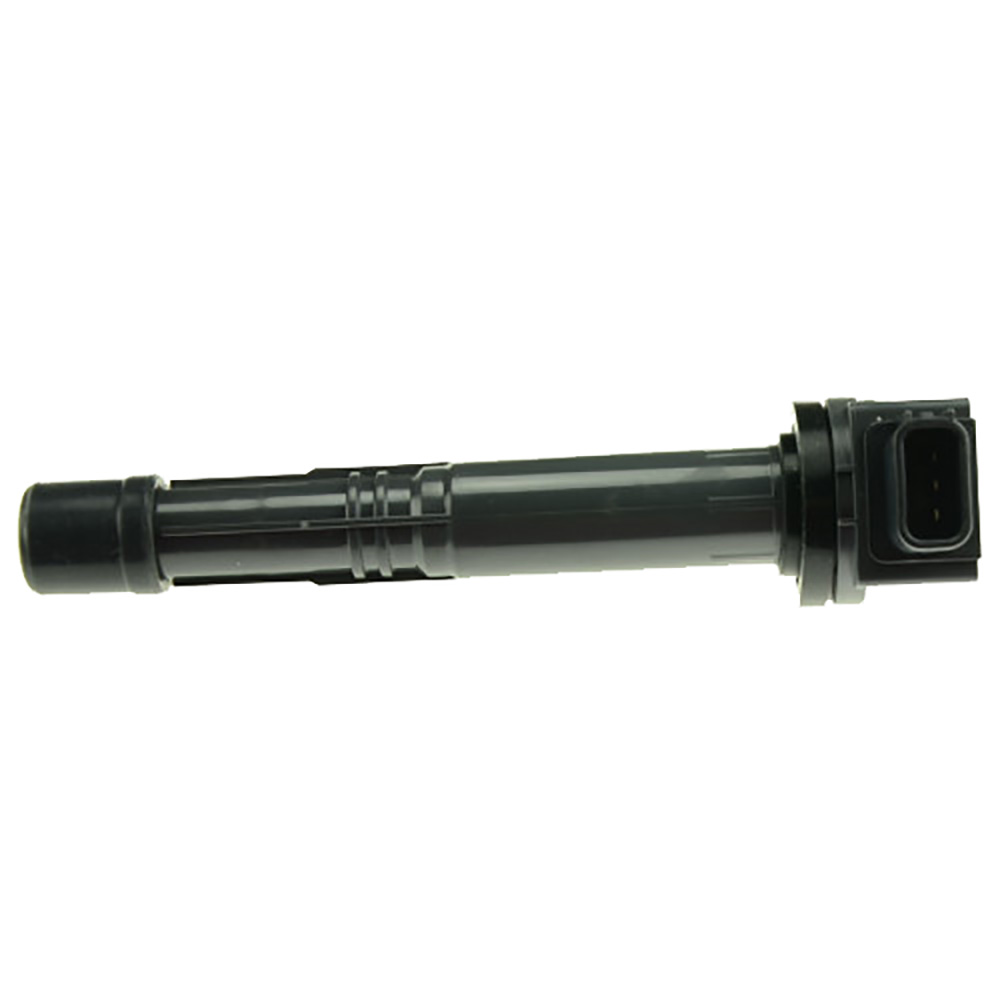
Engine cranks but won’t start: - Fuel – Squeeze primer bulb; if soft, check fuel lines, filter, tank vent. Replace fuel filter (Honda 16910‑ZY9‑004). - Spark – Remove spark plug, ground electrode to engine, crank. No spark? Check ignition coil (Regitar RMF013, RMF015), spark‑plug wire, kill‑switch circuit. - Compression – Low compression indicates worn rings or valves. Requires professional diagnosis.
2. Running Problems
Rough idle, stalling: - Carburetor jets – Clean with carburetor cleaner. If idle persists, rebuild carburetor. - Spark plugs – Fouled plugs cause misfire. Replace (NGK IZFR6F11, CR5EH‑9). - Fuel contamination – Water in fuel. Drain tank, add fuel‑water separator.
Surging at high RPM: - Fuel delivery – Check fuel‑tank vent (open cap, test). Replace fuel filter. - Fuel pump – Test pressure (2–4 psi carbureted, 30–40 psi EFI). Replace if weak. - Air leak – Inspect intake gaskets, carburetor mounting flange.
Loss of power, won’t reach full RPM: - Propeller – Damaged or wrong pitch. Inspect for dings, replace if needed. - Exhaust restriction – Check exhaust relief hole for blockage. - Throttle linkage – Ensure throttle plate opens fully.
3. Overheating
Alarm sounds, temperature gauge high: - Water‑pump impeller – Worn vanes reduce flow. Replace impeller kit (ARCO WP008, WP011). - Thermostat – Stuck closed. Remove, test in hot water; replace if not opening. - Blocked tell‑tale – Clear with a thin wire. - Salt buildup – Flush engine with salt‑away solution after each saltwater use.
No alarm but engine feels hot: - Temperature sensor – Faulty sensor may not trigger alarm. Test with multimeter. - Gauge accuracy – Verify with infrared thermometer.
4. Electrical & Trim Issues
Trim/tilt not working: - Fluid level – Low hydraulic fluid. Top up with marine trim‑fluid. - Trim motor – Listen for humming. No sound? Check wiring, relay, motor (ARCO 6234). - Limit switches – Faulty up/down switches can disable trim.
Gauges not reading: - Senders – Test fuel, temperature, trim senders with ohmmeter. - Wiring – Corroded connectors common in saltwater. Clean with contact cleaner. - Gauge ground – Ensure gauge has a solid ground connection.
Engine dies when shifting: - Shift‑interrupt switch – Misadjusted or faulty. Check adjustment per service manual. - Idle speed too low – Adjust idle to spec (650–750 RPM).
Parts You Should Keep on Board
Carry these parts to fix most common issues on the water:
- Spark plugs (set for your engine) – Fouled plugs are the #1 cause of no‑start.
- Fuel filter (Honda 16910‑ZY9‑004) – Restriction causes surging and stalling.
- Primer bulb – A failing bulb prevents fuel delivery.
- Water‑pump impeller kit (ARCO WP008) – Overheating can strand you.
- Fuses – Assorted amp ratings for your engine’s fuse panel.
- Spare kill‑switch lanyard – Lost lanyard = no start.
When to Call a Professional
Some problems require special tools or expertise: - Internal engine damage – low compression, knocking noises, metal in oil. - Fuel‑injection diagnostics – requires scan tool and factory software. - Electrical gremlins – intermittent faults that defy basic testing. - Warranty work – let an authorized dealer handle it to preserve warranty.
BOE Marine’s service department in Stevensville, MD, is equipped to diagnose and repair any Honda outboard issue. We have the factory scan tools, pressure testers, and a full stock of OEM and aftermarket parts. If you’re stuck, bring us your engine—we’ll get you back on the water.
Remember: most problems are simple. Start with the basics (fuel, spark, compression) and work systematically.
🔍 Expert Advice from Mack Jennings & the BOE Marine Service Team
We’ve seen every Honda outboard problem imaginable. Here’s our diagnostic flowchart:
- Start with the basics – 90% of “no‑start” issues are fuel or spark. Check fuel flow and spark before tearing into the engine.
- Listen to the engine – A rhythmic miss indicates a fouled spark plug. A random stumble points to fuel delivery. A loud knock means stop immediately.
- Check the simple things first – Is the kill‑switch lanyard attached? Is the fuel‑tank vent open? Is the primer bulb firm?
- Carry a multimeter – Test battery voltage, coil resistance, and sensor outputs on the water. A $20 meter can save a $200 tow.
- Keep a “go‑bag” of common parts – Spark plugs, fuel filter, primer bulb, fuses, and a water‑pump impeller kit will fix 80% of on‑water failures.
- Don’t force it – If something feels wrong (hard shifting, grinding noise), stop and investigate. Forcing it can turn a $50 repair into a $5000 overhaul.
If you’ve gone through the checklist and still can’t find the problem, bring your Honda to our Stevensville, MD shop. We have factory diagnostic tools, pressure testers, and decades of experience. We’ll pinpoint the issue, give you a firm quote, and get you back on the water fast.
Need help now? Call us at (410) 643‑3333 or stop by 325 Cleat St, Stevensville, MD.
Shop Honda Outboard Troubleshooting Parts
BOE Marine installs at 4 locations: Annapolis MD, Fort Lauderdale FL, Stuart FL, and Lake Norman NC. Lifetime tech support included.